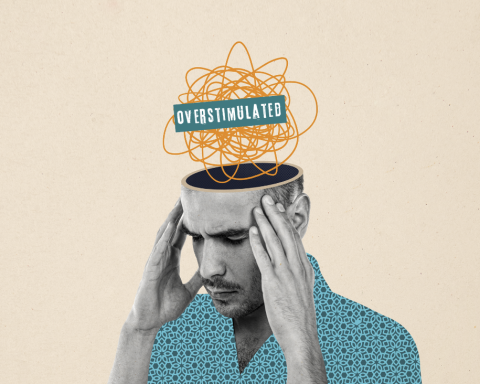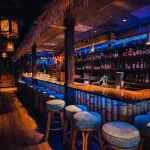
Dry January, once dismissed as a brief punishment month for people who overdid it during the holidays, has evolved into something bigger: a cultural gateway into sobriety and moderation. What started as “I’m taking a break” has become “I’m rethinking the role alcohol plays in my life.” And in Pittsburgh, that rethink has sparked a new kind of nightlife: one that still feels social, stylish, and fun, without requiring a buzz to get there.
Dry January’s rise makes sense: it’s simple, defined, and socially legible. You don’t have to explain yourself with a TED Talk; just say, “I’m doing Dry January,” and most people nod like they’ve heard the sermon before. It gives people a ready-made boundary, plus a finish line.
But what’s happening now is that plenty of Pittsburghers are reaching the end of January and realizing something surprising: they don’t miss alcohol as much as they thought they would.
Perhaps they’re sleeping better. Perhaps their anxiety dial turned down. Perhaps they feel sharper at work. Or perhaps (most unexpectedly) they still had a social life. They still went out. They still laughed. They still flirted, danced, lingered, stayed up too late. They just didn’t drink.
That “wait…I can do this?” moment is the spark. And once it lights, it rarely stays confined to one month.
Pittsburgh has always had personality baked into its nightlife. It’s a city of hidden doors and strong neighborhood loyalties. Now, a sober-friendly social scene is starting to weave itself into those same rhythms.
The difference isn’t that people are avoiding nightlife. It’s that they’re seeking intentionality. They want the vibe without the next-day consequences. They want something crafted, not just poured. They want the ritual of a drink in hand without needing alcohol to make it count.
And businesses are responding, not by shaming drinkers, but by making non-alcoholic options feel genuinely worth ordering.
There was a time when “mocktail” meant: lemonade, extra ice, a sad garnish, and the feeling that you’d been demoted to the kids’ menu.
That era is over.
Now the best zero-proof drinks are built with the same care as cocktails: layered flavors, aromatics, texture, temperature, and thoughtful garnishes. You’ll see ingredients like ritual teas, citrus oils, spice tinctures, smoked elements, and mood-forward adaptogenic blends. The experience is the point.
And in Pittsburgh, that’s important. This is a city that respects craft: coffee, food, beer, spirits, you name it. If Pittsburgh is going to do sober social, it’s going to do it all the way.
This isn’t happening in a vacuum. Pittsburgh’s sober-curious movement is part cultural shift, part lifestyle evolution, and part sheer exhaustion.
Here’s what’s feeding it:
People are burnt out. After a few years of collective stress (and a lot of “coping mechanisms” masquerading as hobbies), more people are choosing stability over chaos. Alcohol can feel like fun, until it starts feeling like fuel on a fire you no longer want burning.
Health culture is more mainstream. Fitness studios are packed, wellness content is everywhere, and “taking care of yourself” has become socially normal. Not everyone wants to be sober but lots of people want to feel better. Cutting back becomes the easiest lever to pull.
The stigma is fading. Ordering a NA drink no longer comes with assumptions about your backstory. People are drinking less for all kinds of reasons: anxiety, meds, training, sleep, parenting, migraines, work performance, mental clarity…or simply because they want to.
The product market exploded. Non-alcoholic beers, spirits, aperitifs, and ready-to-drink options have improved dramatically. When the alternatives are good, the choice becomes easier.
Dating and socializing are changing. A lot of people are tired of fuzzy first dates and the “let’s grab drinks” default. Coffee dates, activity dates, mocktail meetups, dessert dates, and sober-friendly events make it easier to connect without the pressure (or the blurry memory).
Sustainable Change
The most interesting part of Pittsburgh’s shift is that it’s not creating a separate, sterile world where nobody drinks. It’s creating space for people who don’t want to, within places that already exist.
That’s what makes it feel sustainable. A sober-curious table might include: one person doing Dry January; one person who drinks occasionally; one person training for a race; one person who’s pregnant; one person who’s sober-sober; and one person who’s ordering a cocktail. And the night still works.
When sober options are normalized and genuinely good, nobody feels like they’re “opting out” of the fun. They’re just choosing a different lane.
Part of the sober social rise is bigger than beverages; it’s about places to be that aren’t centered on drinking.
Pittsburgh’s “third places” (not home, not work) are evolving: cozy cafés with evening hours, dessert spots that become hangouts, tea-forward spaces, wellness studios hosting social nights, bookstores doing events, pop-up markets, community craft nights, film screenings, late-night food experiences. It’s not that bars disappear. It’s that they stop being the only option.
And honestly? Pittsburgh is made for this. We’re a city of neighborhoods and niche scenes. If there’s one thing we do well, it’s building community around shared interests: music, art, sports, food, vintage, fitness, fandom, you name it. Alcohol never had to be the glue, it was just the default adhesive. Now we’re trying other options.
Real-World Sobriety
If you’re imagining sober social as fluorescent-lit yoga followed by herbal tea and an early bedtime… you’re not wrong, but you’re also not seeing the full menu.
A sober-friendly night in Pittsburgh can be:
• a mocktail-forward dinner where NA drinks are paired like wine
• a jazz lounge night with zero-proof classics that still feel grown
• a late-night dessert crawl
• a night market + coffee with music and vendors
• a movie screening or cultural event where you actually remember the whole plot
• a game night at a café
This shift is all about reimagining and redesigning what the night can look like. Here’s what separates places that “technically offer” non-alcoholic options from places that actually welcome sober guests:
• They don’t make it a moral issue. Sober-friendly isn’t sanctimonious, it’s hospitality.
• They put NA options on the menu, clearly. If you have to ask three questions and feel weird about it, it’s not the vibe.
• They price them like real drinks. If it’s crafted, it should cost something. You’re paying for ingredients and labor, not alcohol. The key is that it should taste like it earned the price tag.
• They make it feel adult. Beautiful glassware, proper garnish, thoughtful flavor. Nobody wants a juice box with a lime wheel.
Future of the Dry Night Out
If Pittsburgh’s sober-curious momentum continues (and it likely will) the next phase won’t be about “Dry January” at all. It’ll be about choice.
More menus will have intentional zero-proof sections. More events will build in NA offerings. More people will order what they want. And “do you want to grab a drink?” will evolve into “do you want to go out?”
Because Pittsburgh didn’t need alcohol to be fun; we just needed alternatives that didn’t feel like punishment.
Underneath the trend talk, the “sober social” rise is about something deeper: people want connection without collateral damage. They want to go out and feel good the next day. They want to be present. They want to make choices that match their lives now, not their lives at 23. They want to flirt and dance without waking up to a headache and a half-remembered conversation.
Dry January cracked the door open because it gave people permission to experiment. Now, they’re realizing: the door doesn’t have to close in February.