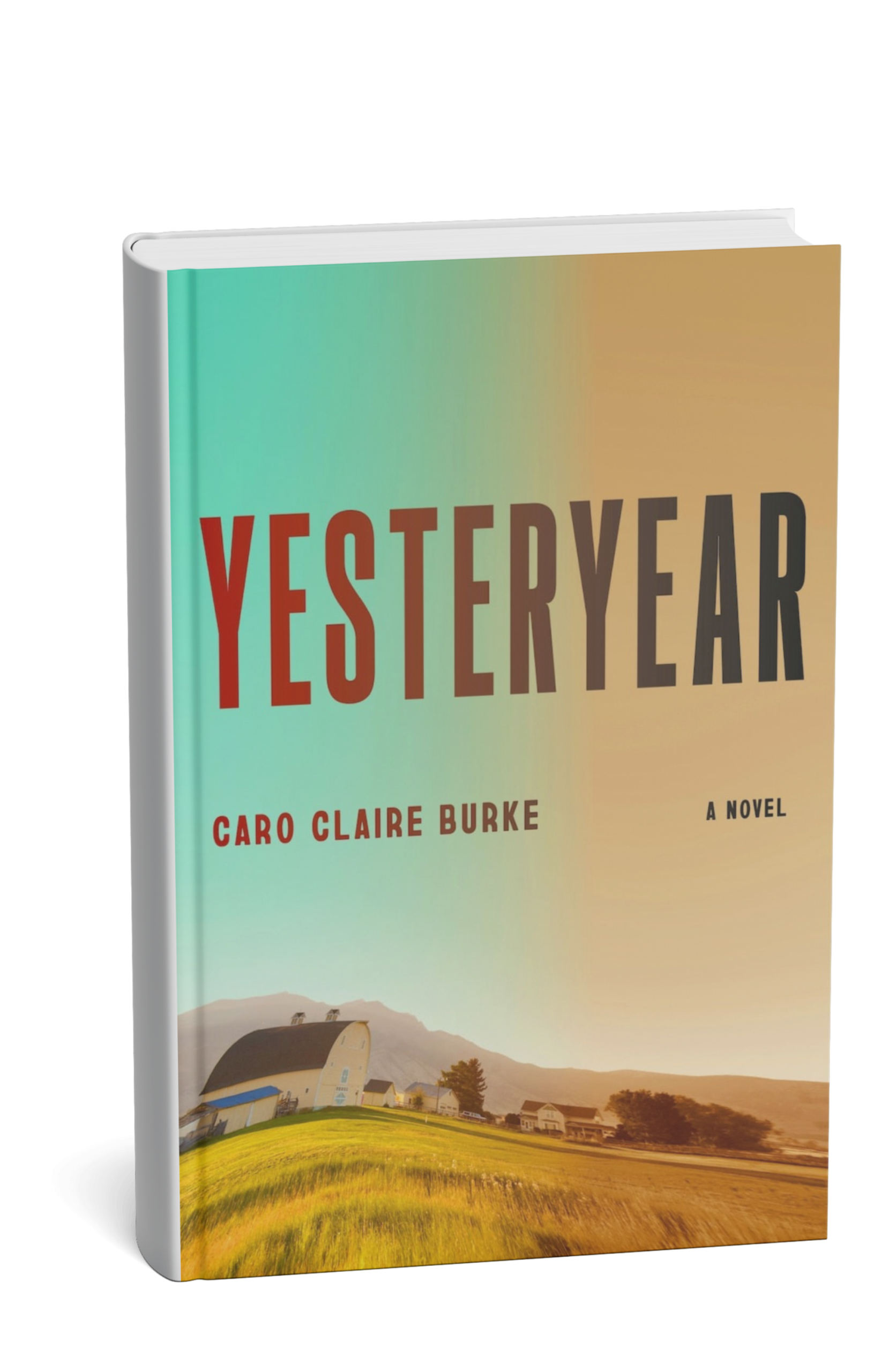
Picture Imperfect
Caro Claire Burke’s Yesteryear turns the tradwife fantasy into a darkly funny, deeply unsettling examination of womanhood, influence, and the danger of romanticizing a past that never truly existed.
Natalie Heller Mills is one of the internet’s most famous tradwife influencers. From Yesteryear Ranch in Idaho, she shares an idyllic vision of faith, family, and femininity, with millions of followers.
But behind the wholesome captions is a complicated operation supported by modern conveniences, hired help, considerable privilege, and Natalie’s sharp understanding of what keeps people watching.
Then she wakes up in 1855.
The ranch is no longer a luxury backdrop. The work is no longer content. There is no phone, audience, or way to crop discomfort out of the picture. The people surrounding her insist that this is her home and they are her family, but something feels profoundly wrong.
Natalie must determine whether she has traveled through time, become trapped in an elaborate production, or landed inside something more disturbing. That mystery gives Yesteryear the momentum of a psychological thriller, but the novel’s real tension comes from watching Natalie confront the physical reality of the life she has sold as an ideal.
Burke has no interest in making her characters conventionally likable. Natalie is vain, controlling, ambitious, and frequently self-centered. She is also intelligent, resourceful, funny, and perceptive. Rather than simply punishing a hypocrite, Yesteryear explores how a woman can become both the architect and prisoner of her own image.
The historical setting strips away the aesthetic surrounding domestic labor. Cooking, cleaning, pregnancy, childcare, and farm work cease to be charming lifestyle choices and become matters of endurance.
The book’s commentary is occasionally blunt, and readers seeking a politically neutral escape will not find one here. Still, Burke leaves room for contradiction. Natalie can be both victim and opportunist. Domesticity can be meaningful and oppressive. A personal choice can still be shaped by forces far larger than the person making it.
Burke also fills the story with twists that are nearly impossible to anticipate and small, unsettling details whose significance may not become clear until chapters later. The result is a mystery that rewards close attention and keeps shifting beneath the reader’s feet.
Yesteryear is sharp, strange, compulsively readable, and almost guaranteed to inspire an argument at book club.