Not long ago, it was perfectly normal to spend an afternoon somewhere without a purpose.
You wandered the bookstore because you were curious. You sat in the park because the weather was nice. You lingered over a cup of coffee after you’d already finished it. You stopped by the library without a list of books you needed, or chatted with neighbors on your evening walk simply because they happened to be outside too.
However, it seems we’ve all stopped doing that.
Sociologists call these spaces “third places”: the places that exist outside of home and work where people gather simply because they want to be there. Coffee shops, libraries, neighborhood parks, community gardens, bookstores, local diners, recreation centers. Places that ask very little of us besides showing up. Lately, though, it feels like those places are becoming harder to find. Or maybe they’re becoming harder to afford.
We’ve built a culture where nearly every outing comes with an expectation to spend money. Meet a friend? Grab drinks. Need to catch up? Go out to dinner. Want to get out of the house? Buy a ticket. Browse a store? Better leave with something in your bag. Even coffee shops, once famous for welcoming people who lingered for hours over a single cup, increasingly feel pressure to keep tables turning.
It’s subtle, but it’s everywhere.
Some of it is understandable. Local businesses have to survive, especially after the last several years. Restaurants, cafés, bookstores, and neighborhood shops deserve our support. But somewhere in the balance, we’ve lost something valuable: places where existing isn’t tied to consuming. It changes how we move through the world.
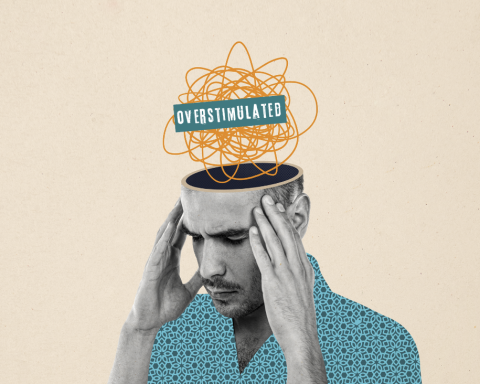
We don’t wander as much anymore. We optimize. Every trip has an errand attached to it. Every stop has a purpose. If we’re leaving the house, we feel like we should accomplish something while we’re out. Even leisure has become strangely productive.
The irony is that the moments we tend to remember most rarely happen because we planned them. They happen because we lingered.
You overhear a conversation that makes you laugh. You discover a new author while browsing shelves you had no intention of visiting. You strike up a conversation with another regular at the dog park. You recognize the same person reading on the café patio every Saturday morning. Over time, strangers become familiar faces, and familiar faces become part of the rhythm of your life.
That kind of community doesn’t happen on a schedule. It happens because people keep returning to the same places.
Pittsburgh has always excelled at this more than most cities. Every neighborhood seems to have its own unofficial living room: a coffee shop where everyone knows the regulars, a corner bar that’s somehow hosted three generations of the same family, a library that feels more like a community center, a farmers market where conversations last longer than transactions, a trail where you’ll inevitably pass the same walkers every weekend.
Those places are important, even if not all of them exist for profit. Not because they’re trendy or picturesque, but because they’re one of the few remaining spaces where life unfolds naturally instead of being carefully curated.
Of course, not every third place has to be free. Buying a coffee from your neighborhood café or picking up a book from an independent bookstore is part of what keeps those places alive. The issue isn’t spending money; it’s the feeling that every interaction has become a transaction, every outing an opportunity to consume something.
Sometimes it’s enough to simply be somewhere. To sit. To read. To people-watch. To exist alongside other people without anyone asking what you’re buying, how long you’re staying, or what’s next on your schedule. Maybe that’s why conversations about third places have gained so much traction in recent years. At their core, they aren’t really about coffee shops, parks, or bookstores. They’re about reclaiming the idea that we deserve spaces where we’re not expected to be productive, spend money, or have a purpose beyond simply being present.
In a culture that measures so much by efficiency and output, making time to linger can feel rebellious.
It also happens to be one of the simplest ways to reconnect with the people and places around us.