Fitness and exercise have come a long way over the past century, evolving in ways that reflect our changing lifestyles, cultural trends, and scientific knowledge. From the early 20th century to today, let’s take a look at how our approach to staying fit has transformed, decade by decade.
Early 20th Century
During the early 1900s, the idea of modern fitness was just starting to take shape. Back then, the focus was on physical health, strength, and looking good. People like Eugen Sandow, often called the “father of modern bodybuilding,” became famous for showing off their muscular physiques in public exhibitions. Schools started to see the importance of physical education, and gymnasiums and organized sports became a regular part of kids’ lives. This period laid the groundwork for the fitness culture we know today.
The 1930s and 1940s were heavily influenced by global events like the Great Depression and World War II. During these tough times, fitness was more about practical strength and being physically prepared for work and military service. Exercise was often tied to necessity rather than leisure, and the government encouraged fitness as a national duty. Many exercise programs were designed to build endurance and resilience, reflecting the era’s demands.
Mid-Century
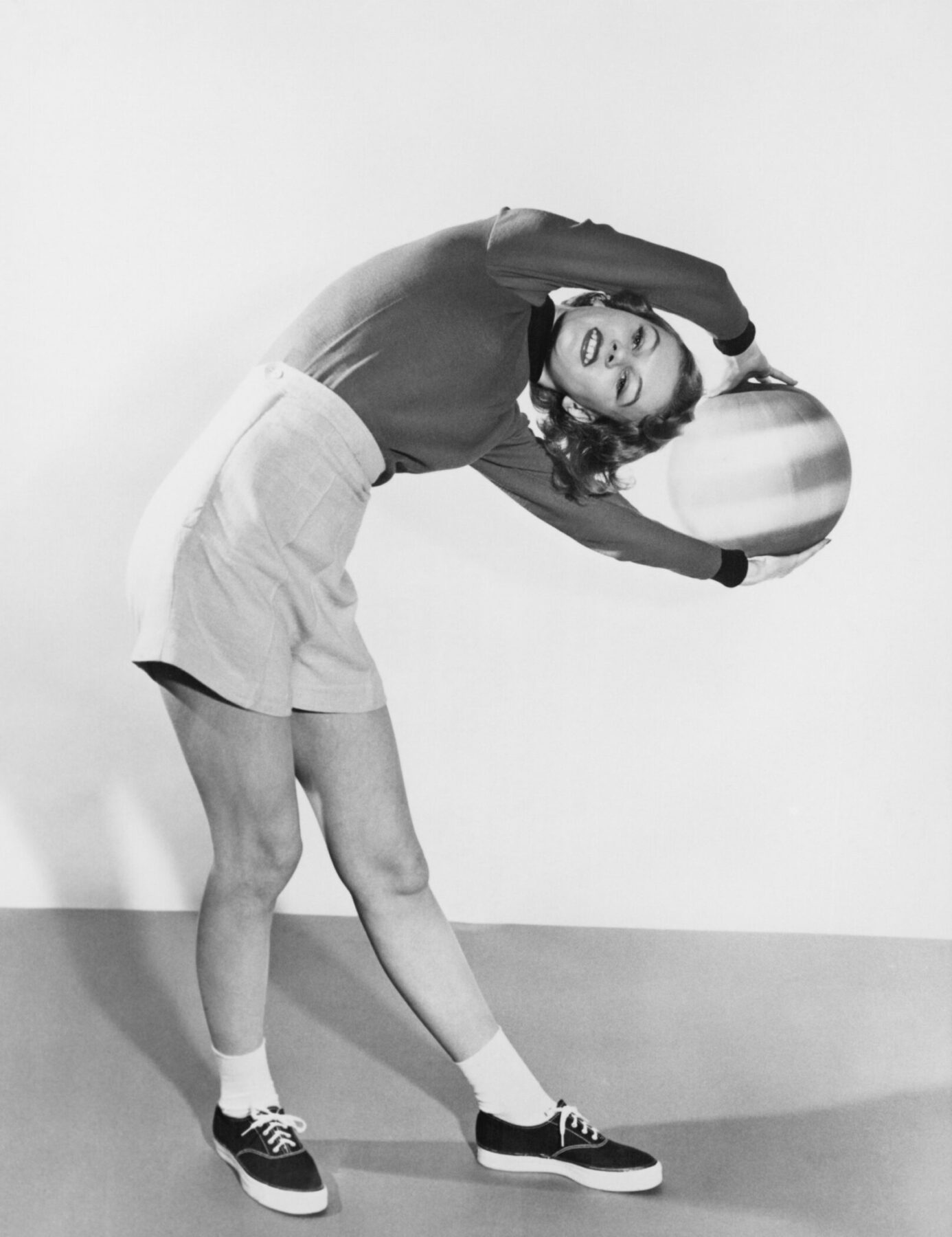
After the war, the 1950s brought a shift towards more structured fitness routines. As economies recovered and people had more free time and money, fitness centers and health clubs started to pop up. Exercising for health and looks became more popular. Television played a big role in promoting fitness, with shows like “The Jack LaLanne Show” encouraging people to work out at home. Jack LaLanne, a fitness pioneer, inspired millions with his energetic exercises and motivational messages, making fitness accessible to everyone.
The 1960s and 1970s were all about social change, and that extended to fitness too. Jogging and aerobics became trendy as people started to care more about heart health. Dr. Kenneth Cooper’s book “Aerobics,” published in 1968, highlighted the benefits of aerobic exercise for the heart. This era also saw the rise of modern yoga and other alternative fitness practices that focused on holistic well-being. Celebrities like Jane Fonda and Richard Simmons made aerobics fun and appealing to a broad audience, combining exercise with entertainment.
Late 1900s
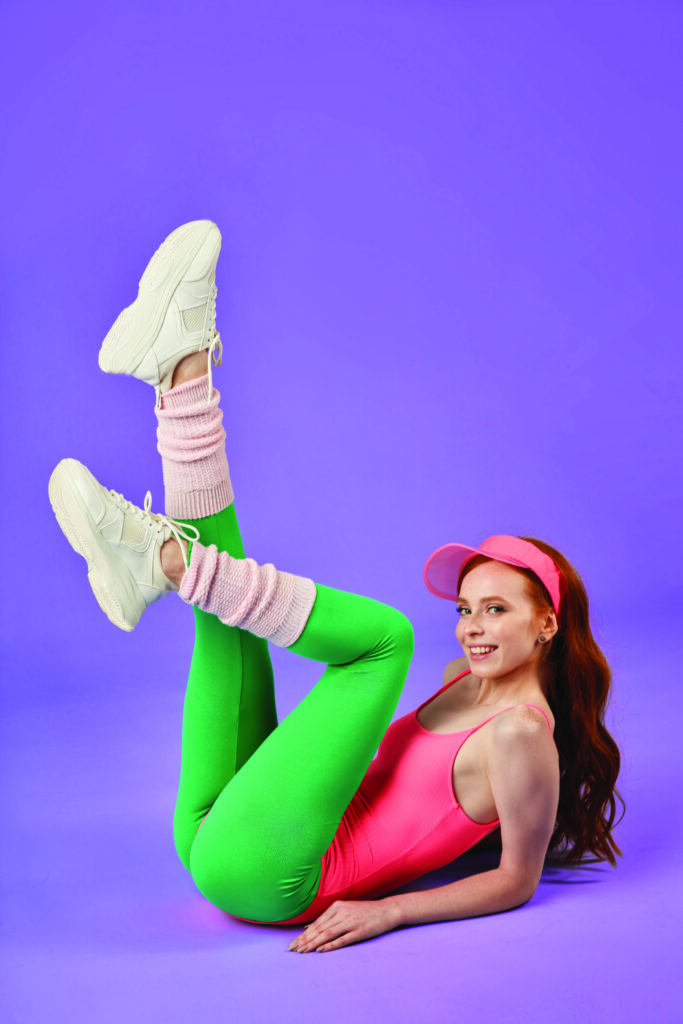
The 1980s took fitness to new heights. This decade is often remembered for its aerobics craze, with people donning leotards and leg warmers. Celebrity fitness gurus like Jane Fonda and Richard Simmons were at the peak of their influence, and fitness videos became a household staple. Gyms and health clubs flourished, and there was a strong focus on achieving the “ideal body,” driven by media and advertising. The bodybuilding craze also took off, with icons like Arnold Schwarzenegger shaping public perceptions of strength and muscularity.
In the 1990s, fitness became more balanced. The initial frenzy of the 80s gave way to more sustainable and holistic approaches. Cross-training, which involves doing a variety of exercises to improve overall fitness, became popular. Yoga and Pilates gained traction as gentle, mind-body exercises that promoted flexibility and mental well-being. Fitness started to be seen as a lifelong commitment rather than a short-term goal, and the idea of overall wellness—physical, mental, and emotional health—began to take hold.
2000’s
The 2000s brought a tech revolution to fitness. Digital tools, online workout programs, and wearable technology like Fitbits changed how people approached their fitness routines. These devices helped track physical activity, diet, and sleep patterns, giving individuals more control over their health. Group fitness classes like spinning, Zumba, and boot camps became hugely popular, emphasizing community and fun. High-intensity interval training (HIIT) also became a favorite for its efficiency and effectiveness.
In the 2010s, the fitness industry continued to innovate, driven by technology and changing attitudes. Boutique fitness studios offering specialized classes like barre, cycling, and CrossFit emerged, providing unique and focused workout experiences. Social media played a significant role in shaping fitness trends, with influencers and trainers sharing workouts and tips with a global audience. This decade also saw a growing emphasis on mental health, with mindfulness and meditation becoming part of many fitness routines.
Today
Today, in the 2020s, fitness is more diverse and accessible than ever before. The COVID-19 pandemic changed how many people approach fitness, leading to a surge in home workouts and virtual fitness classes. Maintaining physical and mental health has become even more important, and many have adopted more flexible and personalized fitness routines. Concepts like biohacking, which use science and technology to optimize health, have gained popularity, as has the focus on functional fitness and longevity.
Looking back, the evolution of fitness over the decades shows how our understanding of health and wellness has grown. From the early days of physical culture to today’s tech-driven, holistic approaches, each era has contributed to the rich tapestry of fitness culture. As we move forward, we’ll continue to learn from the past and embrace new innovations, shaping the future of fitness in exciting ways.