 Kim Raczynski
We like each other’s photos. Comment on life updates. Send memes. React to stories. But we’re not sitting across from each other at a table nearly as often as we used to. And that’s why the dinner party is back, not as a formal, fussy event with matching china and a three-course meal, but as something warmer, easier, and far more meaningful.
The modern dinner party has shifted away from formal entertaining and toward something simpler: a reason to clear the table, light a candle, and spend a few uninterrupted hours with people you care about.
More than anything, the rise of the dinner party is really about people wanting to live their lives in person again.
It’s almost hard to imagine now, but not that long ago most social lives unfolded around kitchen tables and living rooms; now they unfold over reservations, bar stools, and crowded patios. We make plans, split checks, and try to catch up in crowded rooms where the music is just a little too loud to hear the person across the table. Socializing has become something we schedule, something we go out to do, something that often comes with a time limit and a parking situation.
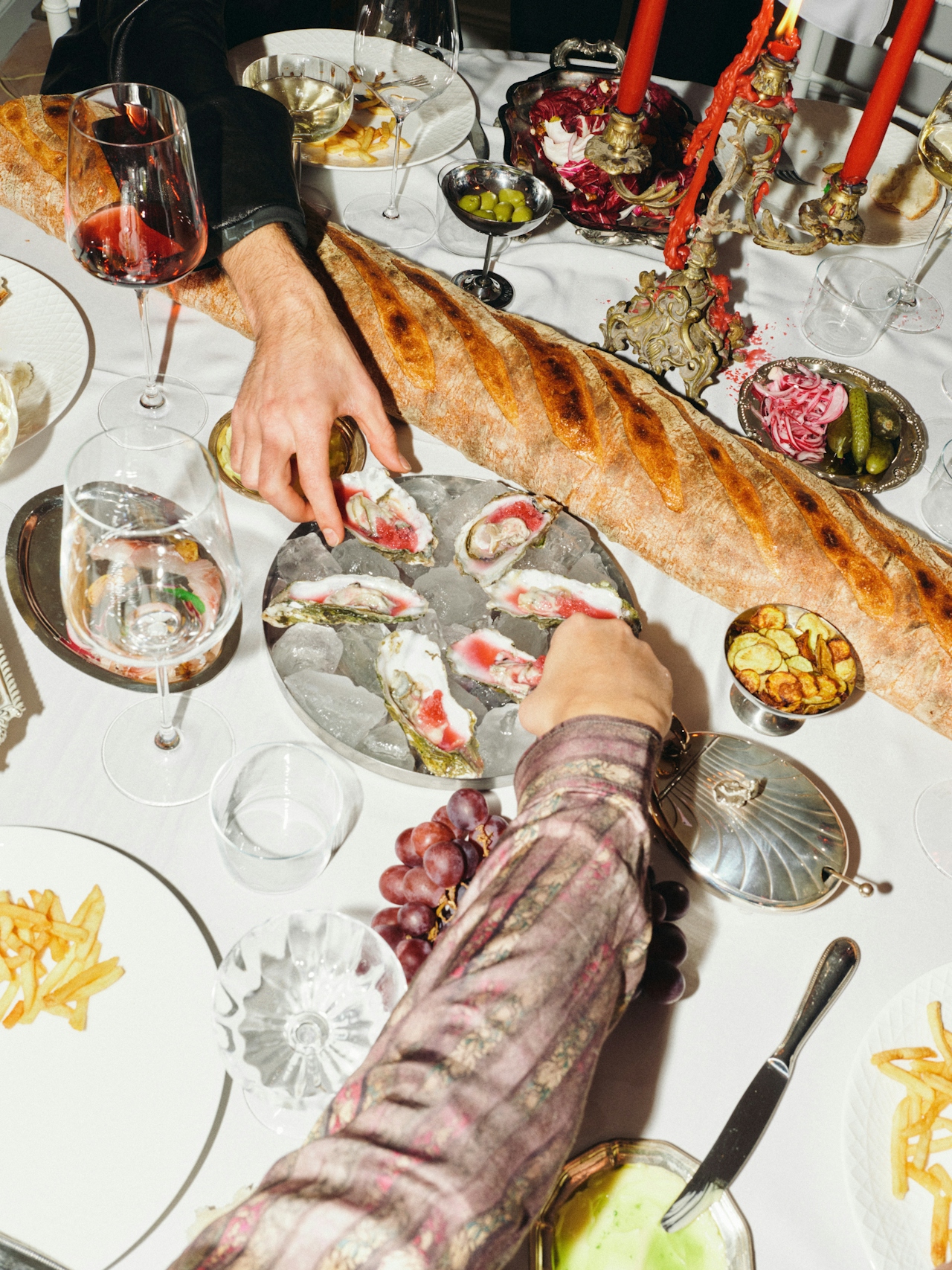
But lately, something is shifting. More and more people are inviting friends over instead of meeting out. Tables are being set again — sometimes formally, often not. Candles are being lit. Music is playing in kitchens. People are lingering longer. And the simple act of sitting around a table together, talking for hours, is starting to feel like a luxury again.
The dinner party is back, but not in the way we remember it. This new version isn’t formal or intimidating. No one expects a perfectly cooked roast or matching place settings. Today’s dinner party might be pasta and salad, takeout from a favorite restaurant, a pot of soup in the winter, or something on the grill in the summer. The expectations are lower, but the meaning somehow feels higher. The modern dinner party has evolved into something simpler and more personal — less formal entertaining, more gathering, conversation, and time spent together around a table.
In many ways, the rise of the dinner party has less to do with food and more to do with how people want to live their lives right now. After years of increasingly digital communication people are craving time together that feels real and uninterrupted. A dinner table creates something that few other social settings do: time to sit, talk, tell stories, and exist together without an agenda.
Most interestingly, the modern dinner party doesn’t necessarily mean cooking an elaborate meal. In fact, one of the reasons more people are hosting is because they realize they don’t have to do everything themselves. Some hosts pick up food from their favorite local restaurant and serve it at home. Others have meals catered. Some groups host what you might call a “hybrid dinner party” — the group goes out for dinner and then comes back to someone’s house for drinks and dessert, or the host cooks a simple meal and everyone goes out afterward for ice cream or cocktails. It’s a hybrid approach that combines the best parts of going out and staying in, and it takes much of the pressure off the host.
One of the biggest reasons dinner parties are on the rise again is that they no longer feel intimidating. People don’t remember what you serve nearly as much as they remember how the night feels. They remember the music playing in the background, the conversation that goes on too long, the moment everyone ends up standing in the kitchen instead of sitting at the table, the laughter that gets louder as the night goes on, and the feeling that no one is in a hurry to leave.
In a broader sense, dinner parties are about more than food or hosting. They’re about community. Cities are built on restaurants, parks, events, and public spaces, but they’re also built on living rooms, kitchens, dining tables, and backyards. When people invite others into their homes, they’re doing something important — they’re building friendships, introducing people to each other, strengthening relationships, and creating the kind of social fabric that makes a place feel like more than just somewhere you live.
The return of the dinner party may actually be part of a larger cultural shift. For a while now, social life has revolved around going out, being seen, trying new places, and filling calendars. Now it seems more people are interested in something quieter and more intentional. They want to know their neighbors. They want to have friends over on a random Wednesday. They want to celebrate small things. They want evenings that aren’t rushed and conversations that don’t end when the check arrives.
Maybe the dinner party isn’t really a trend at all. Maybe it’s just something we’re rediscovering — the simple idea that life feels fuller when we gather, when we share meals, when we open our doors, and when we make time to sit across from each other and talk for a while.