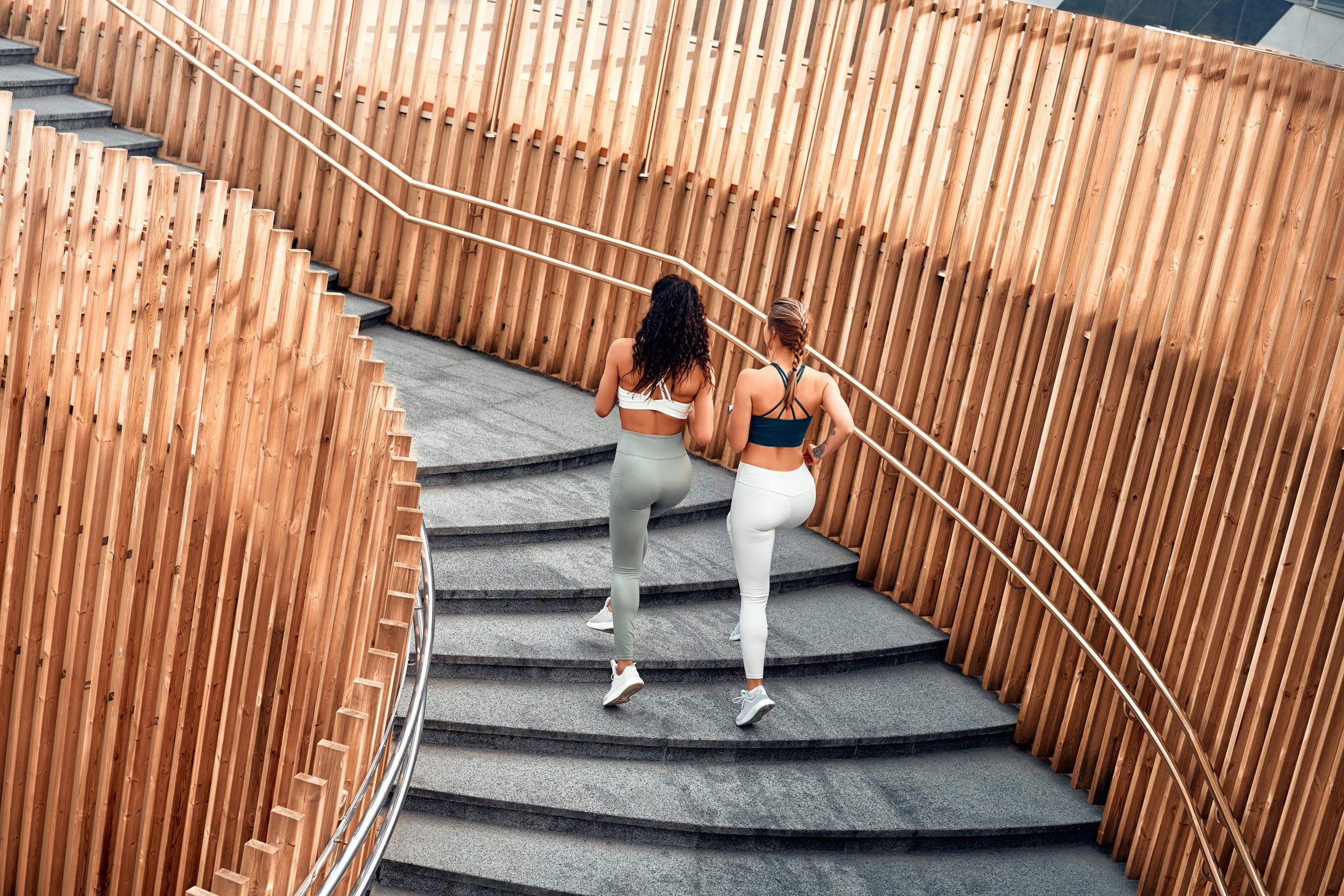
For years, wellness culture convinced us that health had to be extreme — brutal workouts, rigid routines, expensive memberships, and the constant pressure to optimize every inch of our lives. But lately, something much simpler has started making a comeback: walking. Not for punishment. Not for weight loss. Just…walking. In a culture that leaves people overstimulated, anxious, sedentary, and exhausted, walking has become less of a fitness trend and more of a survival mechanism.
For a long time, fitness culture made wellness feel complicated. You needed the perfect workout split. The right supplements. The expensive gym membership. The high-intensity class.
Movement stopped feeling natural and started feeling like performance. And in the middle of all that optimization, people forgot one very important thing: the human body was built to walk. Not occasionally; constantly.
Lately, though, walking has started making a serious comeback. Suddenly everyone is talking about hot girl walks, hiking trails, walking meetings, step counts, urban walks, and mental health walks.
And the hype might be justified. Because while walking may not look as impressive on social media, it delivers an incredible number of physical and mental health benefits without destroying your joints, stressing out your nervous system, or making you miserable in the process. And in a culture where people are burned out, overstimulated, sleep-deprived, and chronically sedentary, that makes a big difference.
Regular walking improves cardiovascular health, lowers blood pressure, supports circulation, improves endurance, helps regulate blood sugar, and strengthens muscles without placing excessive stress on the body. It can help with digestion, mobility, posture, balance, and joint health. Walking after meals has even been linked to better glucose control.
People often underestimate how powerful low-impact movement can be. But many experts now believe that walking more throughout the day may be just as important for long-term health as structured workouts. Especially because most people spend the majority of their lives sitting.
The average modern lifestyle is dramatically less active than the way humans evolved to live, and our bodies feel the effects of that constantly. Tight hips, back pain, low energy, poor circulation, stiffness, brain fog, terrible posture, disrupted sleep, elevated stress levels. A lot of what people think of as “getting older” is often just the result of not moving enough. Walking helps counteract that.
It also tends to be one of the few forms of exercise people can actually stick with long term. You don’t have to be in perfect shape to start. You don’t need to know gym etiquette. You can walk around your neighborhood, through a park, or on a treadmill.
People are increasingly using walking for something beyond aesthetics as well. They’re using it to regulate their nervous systems. There’s a reason so many people swear they feel mentally better after a walk. Walking has been shown to reduce stress, lower anxiety levels, improve mood, and even support cognitive function and creativity.
A walk does what an hour of doomscrolling never will. That’s part of why trends like the “hot girl walk” took off so quickly. Underneath the internet branding was a pretty simple concept: walking as a form of self-care rather than punishment.
Walking isn’t revolutionary because it’s trendy. It’s revolutionary because it reconnects people to something their bodies truly need. More movement. More sunlight. More fresh air. More time away from screens. More moments where health feels supportive instead of punishing. The wellness industry loves complexity because complexity sells. But the truth is, some of the best things you can do for your body are still remarkably simple.